
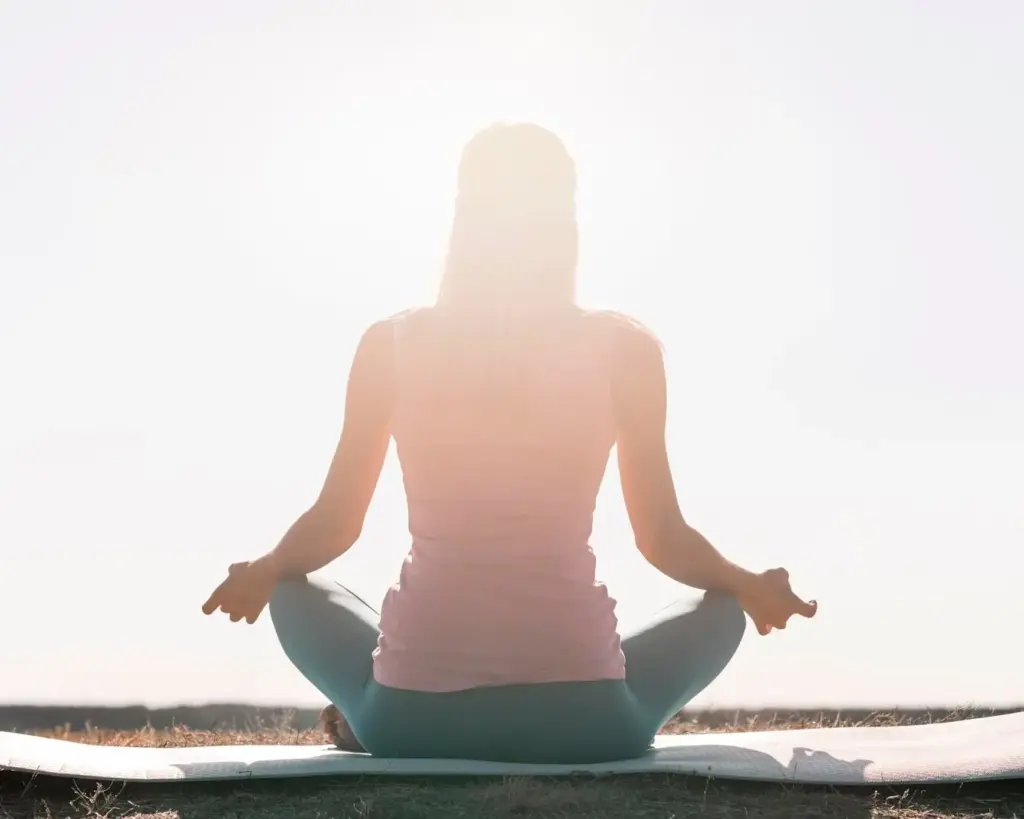

Calm in Motion: Everyday Mindfulness for the Ride
Today we explore Mindful Commuting: Short Practices for Trains, Buses, and Walks, turning routine travel into a living laboratory for calm attention. With tiny, repeatable rituals, you can soften stress, refresh focus, and arrive more present—no cushions required, just your breath, your senses, and the willingness to notice.
Breath anchors between stops
Breath is always with you, even when seats are scarce and announcements blare. These compact techniques fit neatly between stops, steadying your nervous system in less than a minute. Practice lightly, without strain, and watch how tension loosens while patience grows with every gentle inhale and unhurried exhale.
Box breathing on a crowded platform
Trace a square with your attention: inhale four counts, hold four, exhale four, hold four. Match the rhythm to footsteps or flashing platform lights. If distraction pulls you away, return kindly to counting. One quiet circuit can replace a sigh with steadier shoulders and clearer eyes.
Two-breath reset before the doors open
Right before doors slide open, take two deliberate breaths. On the first, feel the belly rise; on the second, soften the jaw and brow. Let this tiny pause reset your pace so you step out attentive, neither rushing nor dragging, ready for the next moment exactly as it is.
Footstep awareness on sidewalks
Let each step kiss the ground. Feel heel, arch, toes, then the subtle shift of weight. Keep eyes soft, ears open, pace natural. If your mind surges ahead, invite it back to this footfall, this breeze, this corner store window glinting like a friendly lighthouse. A nurse named Maya used this between night shifts, discovering her walk home felt shorter and kinder.
Window noticing for trains and buses
Choose three passing objects and silently name a single detail: red umbrella, fogged glass, curled ticket. Avoid judgments; practice noticing. When repetition dulls curiosity, widen the frame—cloud layers, reflections, graffiti colors. You are not escaping reality; you are greeting it with kinder, steadier eyes.
Listening to the city’s soundscape
Close listening can be surprisingly restorative. Without clinging, notice near, mid, and far sounds: conversation murmurs, engine hum, echoing brakes. Let them arise and fade like waves while breath remains your anchor. You do not need silence to find stillness; you need permission to hear fully.
Sharpening attention while you move
Attention does not need silence; it needs sincerity. Walking, riding, or waiting, you can train steadiness by gently choosing where to place your focus. These exercises use sights, sounds, and textures already present, transforming ordinary motion into meaningful practice without demanding extra time or special equipment.
Seated posture micro-alignments
Place both feet flat, sit toward the front of the seat, lengthen through the crown, soften the ribs. Imagine a thread drawing you tall without stiffness. Relax shoulders down and back, widen the collarbones, and let hands rest. Breathing becomes easier, and your gaze steadies without effort.
Balanced standing with soft knees
When standing, unlock the knees, stack hips over heels, and let weight spread across the feet. Keep a light hand on the rail without gripping. As the vehicle sways, feel your ankles micro-adjust. Balance becomes playful, and cramped spaces feel slightly more spacious from inside.
Discreet stretches without crowding others
Try shoulder rolls that barely show: inhale up, exhale back and down, twice. Gently tilt the head side to side, pausing at the edges. Interlace fingers and stretch palms forward without bumping neighbors. These tiny moves refresh circulation, loosen tech-neck, and brighten mood without drawing unwanted attention.
Comfortable body, clearer mind
Physical ease supports mental clarity, especially when seats are cramped or aisles sway. Small adjustments reduce strain and keep attention available for kindness and alertness. Here are discreet, commuter-friendly movements that respect public space while inviting the spine, shoulders, and hips to remember their natural balance.
Kindness that travels with you
Stress softens when goodwill rides along. Simple heart practices can transform a crowded carriage into a field of quiet dignity. You are not fixing strangers; you are adjusting your stance toward shared humanity, traveling with gentleness that echoes in posture, voice, and the choices you make.
Loving-kindness in one stop
Silently offer brief phrases to people you pass: may you be safe, may you feel ease, may you get where you’re going. No need to stare; a soft glance suffices. These wishes lighten your own chest, turning impatience into simple companionship without fanfare or fuss.
Gratitude scan of your route
Look for three small helps your journey provides: a dry seat, a punctual turn, a kind driver. Savor them deliberately. Gratitude does not deny challenges; it widens perspective. The more precisely you name benefits, the more resilient your mind feels when the schedule stutters.
Compassion during delays
When the clock drifts and impatience rises, place a hand over your heart or belly if appropriate, and breathe slower. Say gently, this is hard, and I can meet it. This compassionate stance loosens self-criticism and keeps decisions safer, especially around hurry and risk.

Turn your phone into a bell of awareness
Set periodic chimes or vibration cues labeled simply breathe or notice posture. When the cue arrives, complete one cycle of your chosen practice, then return to tasks. Over time, these gentle bells condition calm, helping trains, buses, and sidewalks become classrooms for attention rather than highways for hurry.

Micro-journaling in transit
Open a notes app and answer three prompts: I notice, I feel, I choose. Keep entries brief, even single words. This practice clears mental clutter, reveals patterns, and turns unremarkable minutes into a record of growing steadiness you can revisit when motivation thins.
Rituals that bookend your commute
Rituals turn repetition into meaning. By intentional openings and closings, your commute becomes a dependable training ground rather than a blur. Choose brief markers that fit your routes, celebrate consistency over perfection, and invite friends to join or share their favorites for collective encouragement.
Begin with an arrival breath
Choose a starting cue you like: a certain corner, the first station chime, or lacing shoes. Pair it with one breath anchor and one kind intention. This repeatable beginning tells your mind, we practice now, turning autopilot into a small ceremony you can trust.
Transfer checkpoint to reset
Whenever you switch vehicles or streets, treat it as a checkpoint. Scan posture, take one mindful breath, and reset your focus phrase. These tiny audits prevent drift and keep motivation warm, especially on complicated routes where frustration often grows unnoticed between transfers.
Arrival reflection to close the loop
At the last stop or doorstep, pause for ten seconds. Name one thing you handled well, one thing you will refine tomorrow, and offer gratitude. Share your favorite micro-practice in the comments or with a friend, and subscribe for weekly prompts that keep the momentum alive.